
01 | Longevity and Wellness
Wellness spaces are usually designed for a single session, a thirty-minute reset that fades the moment a client walks back outside. Human Comfort Lab designs homes and health facilities to hold that sense of calm all day, using two research areas grounded in neuroscience: fractal fluency and circadian light.
The Transition: From decorative wellness gestures to a longevity strategy built on how the nervous system actually responds to a space, day after day.
Sensory Strategy
Human vision evolved surrounded by natural fractal patterns, branching trees, rock formations, coastlines. Mid-complexity fractal patterns are the easiest for the visual system to process, and that ease of processing is linked to measurably lower physiological stress, confirmed by skin-conductance and EEG studies. Alongside this, light exposure regulates the body's circadian clock: brighter, cooler light by day supports alertness, while warm, dim light in the evening allows the body to wind down naturally.
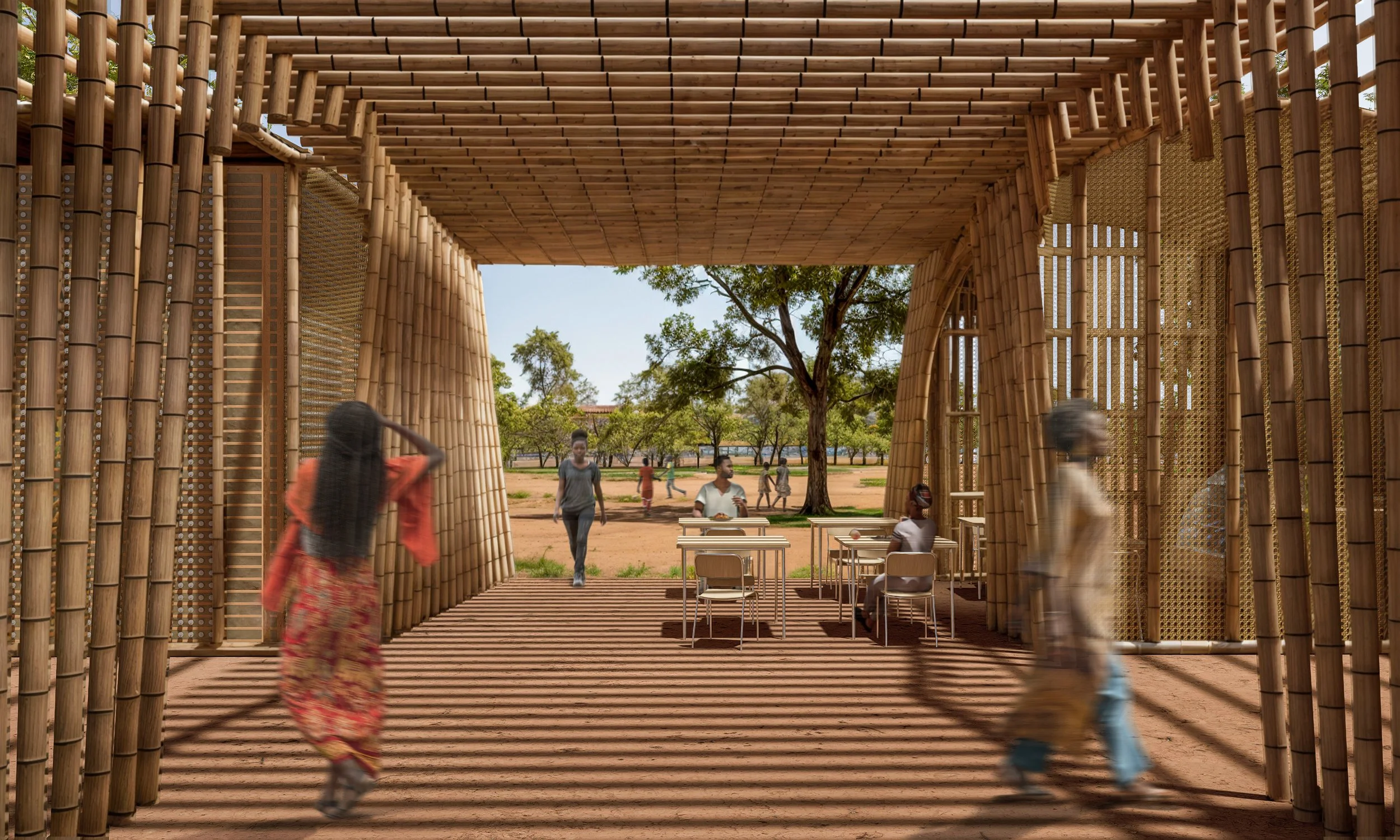
Tactile Palette
We draw out the natural patterning already present in raw materials, pairing visual comfort with real material tactility. When a surface looks like wood but is actually laminate over fiberboard, the brain registers the mismatch and cortisol production increases, so material honesty is treated as a design requirement, not a finish choice.