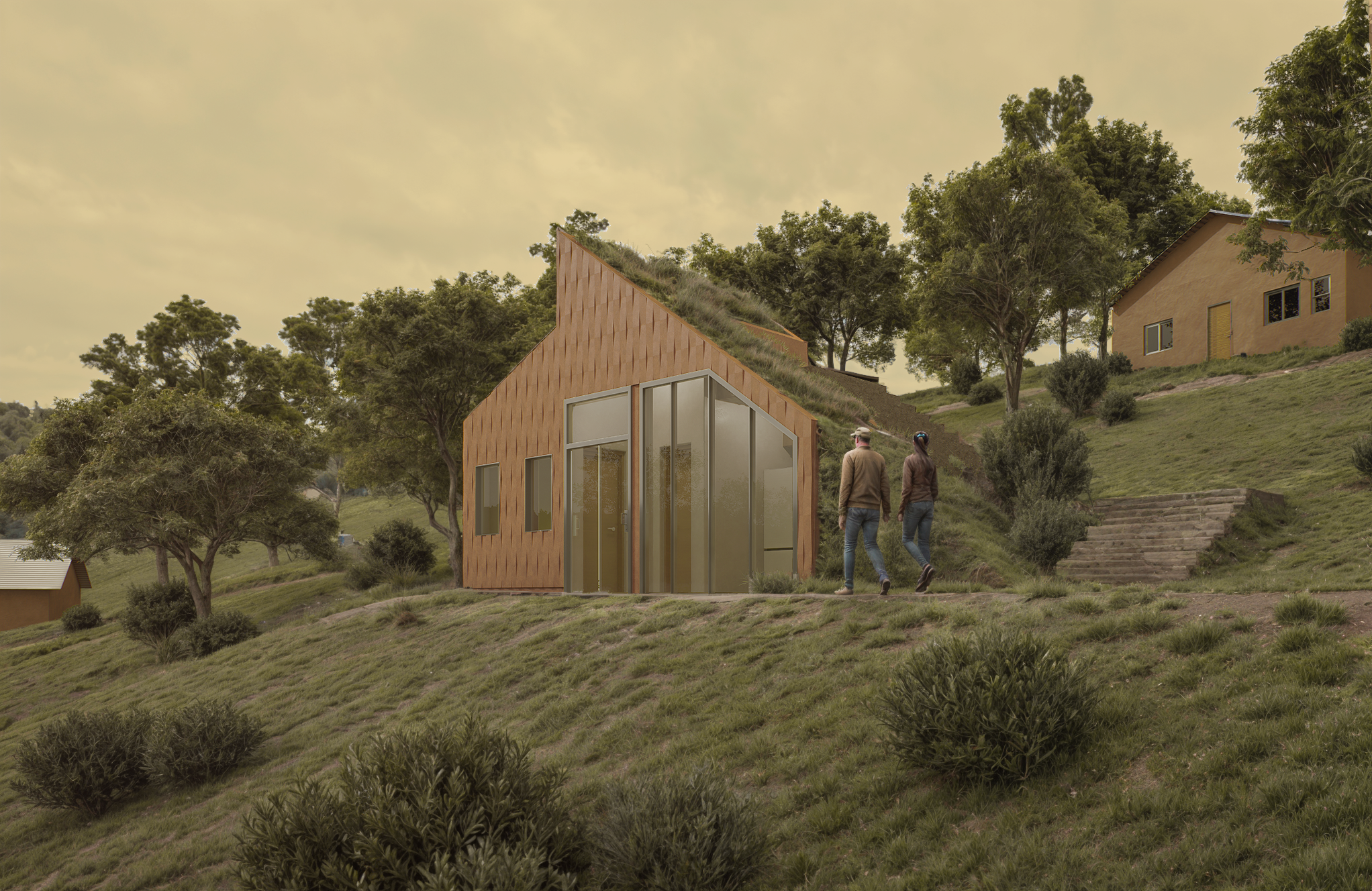
Human Comfort Lab
The Human Comfort Lab is our ongoing research series exploring the neuroscience and biology behind the spaces we design. Each section below traces a body of research, from how nature-inspired patterns lower stress to how light shapes daily rhythm, and connects it to the project types we design for: senior living and wellness, social and cultural spaces, early childhood education, and passive house residences.
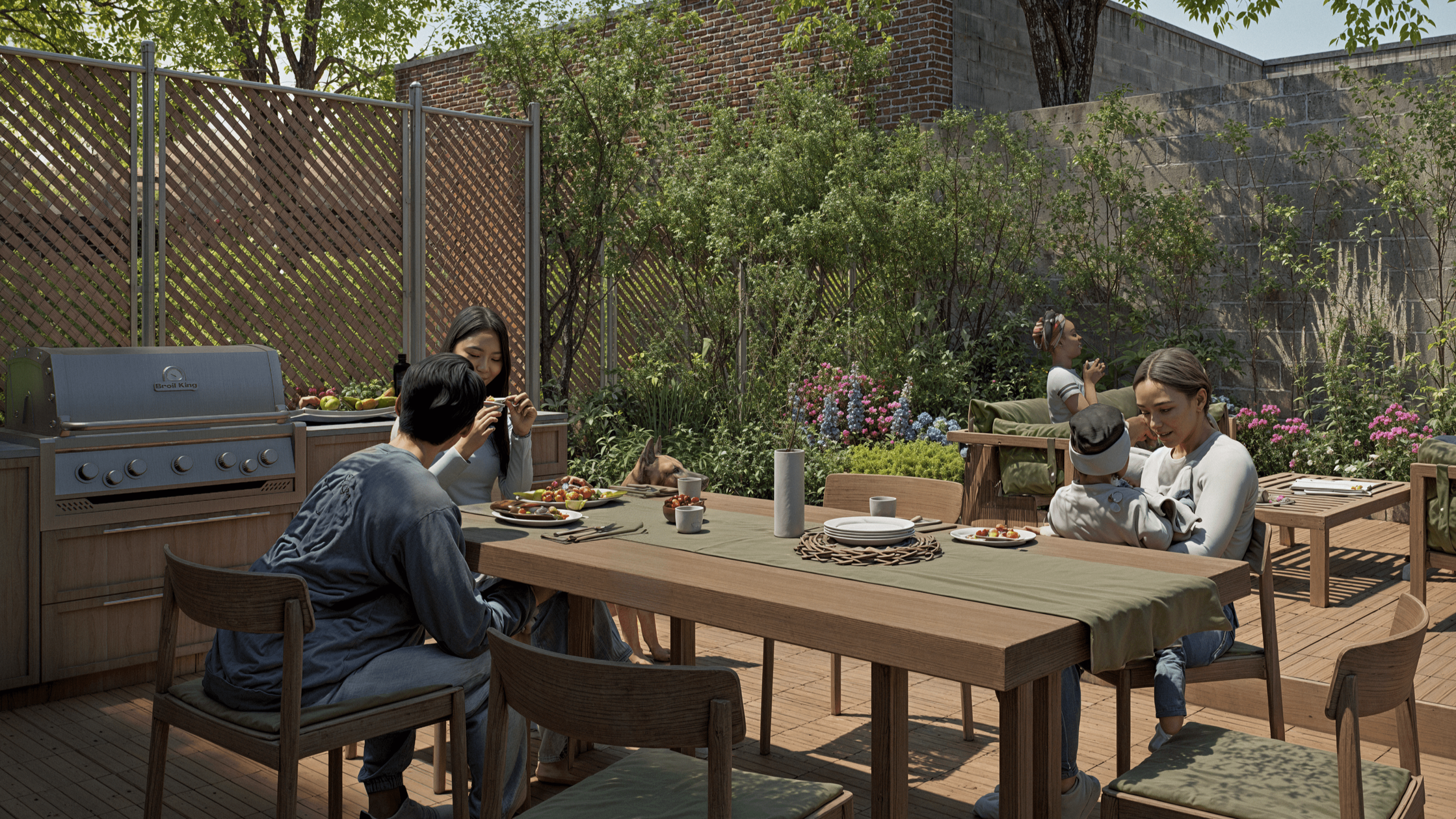
01 | Longevity and Wellness
Longevity and Wellness spaces are designed around research on stress reduction and long-term comfort. Our work in this area draws on Fractal Fluency, the study of how nature-inspired patterns measurably lower stress, to inform material choice and design in homes and wellness environments built for the long term.
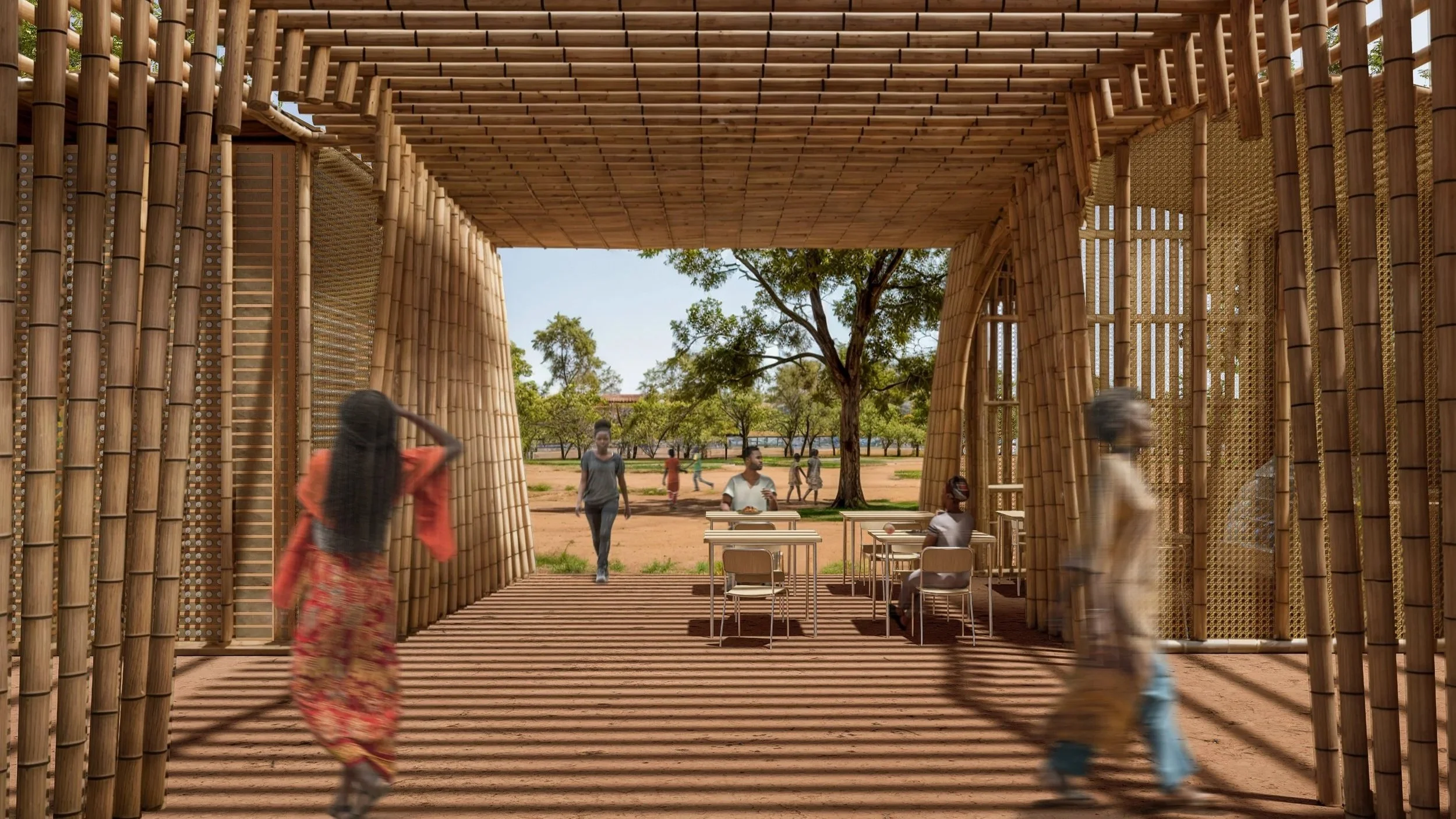
02 | Social Clubs
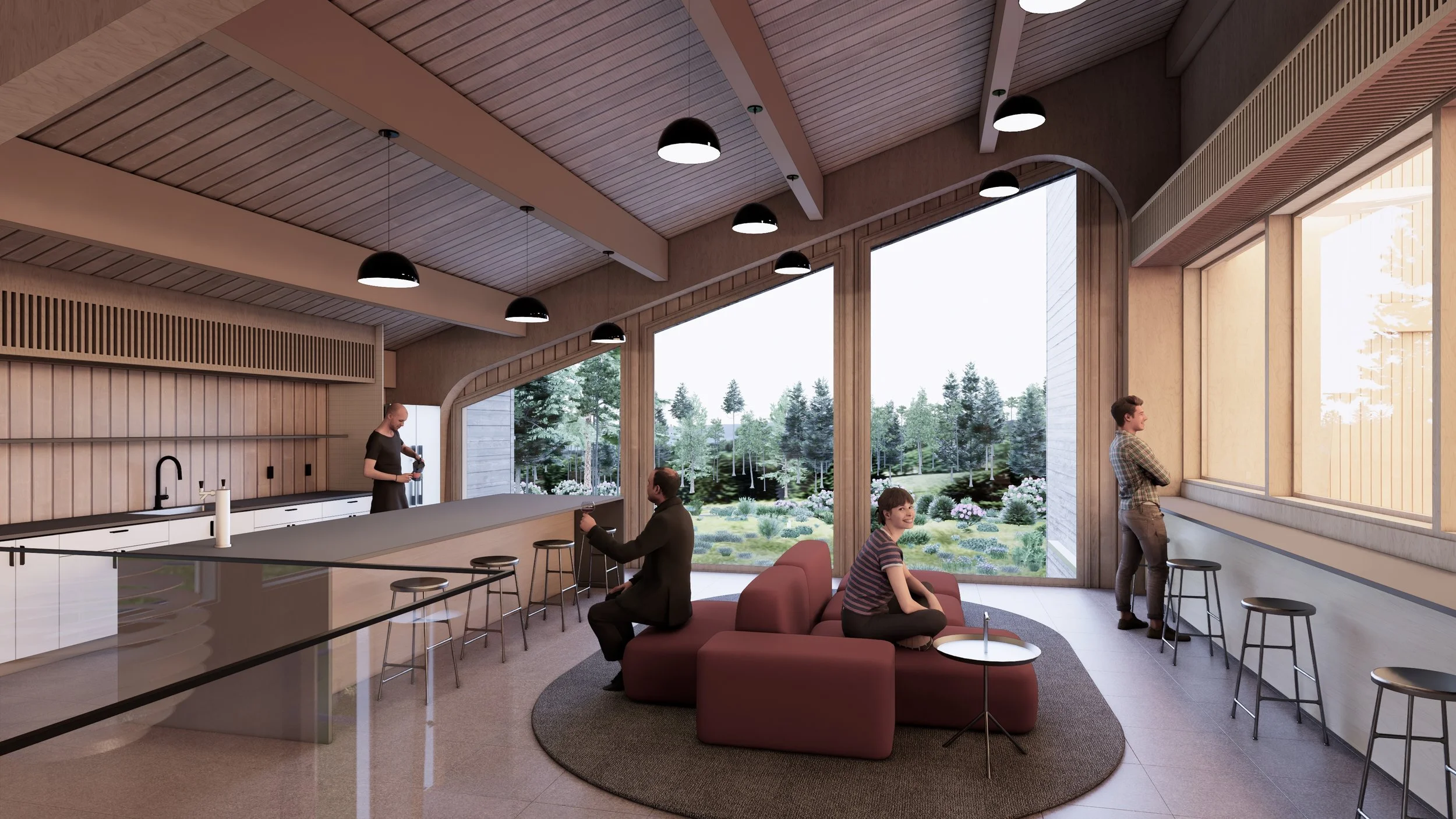
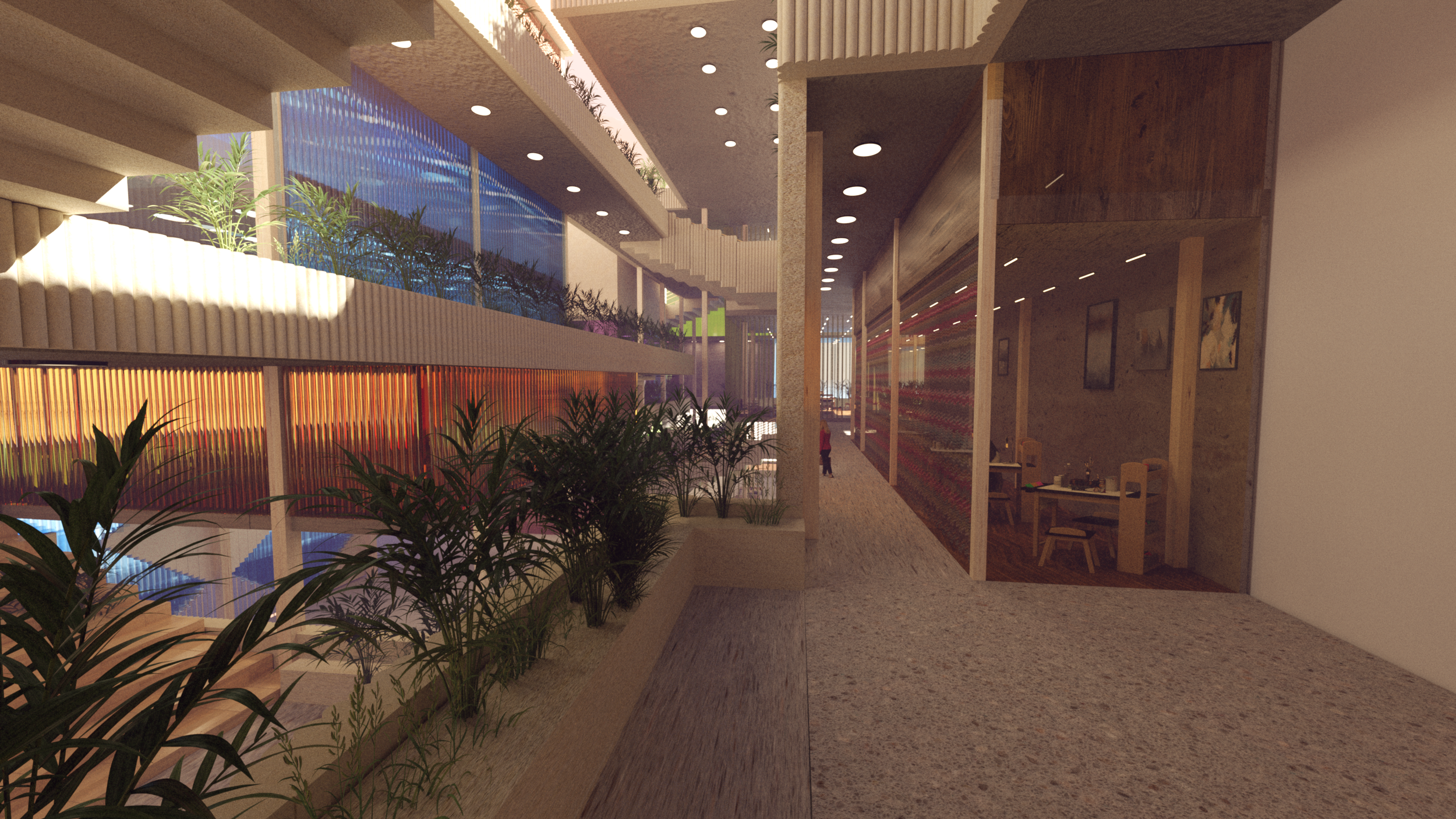
Humans instinctively seek out spaces that offer both a wide view of their surroundings and a sense of enclosure and shelter, a preference rooted in our evolutionary past: the ability to observe without being seen. This combination of prospect and refuge measurably reduces perceived threat and anxiety while increasing safety and ease.
For social clubs and cultural venues, where people need to feel both open to connection and comfortably sheltered, this research shapes how we think about sightlines, seating, and enclosure: spaces that let people watch the room without feeling exposed.
03 | Early Childhood Education
The spectrum and intensity of light we're exposed to directly regulate the body's internal clock. Specialized cells in the retina detect light and signal the brain's master clock, suppressing melatonin under bright, cool light to support alertness, and allowing its release under warm, dim light to support rest. Children show even greater sensitivity to this effect than adults.
In early-childhood education spaces, this research shapes how we approach daylighting and lighting design, supporting the natural rhythms that help children stay alert, regulated, and ready to learn throughout the day.
04 | Passive House Residences
Touch tells the difference between natural and synthetic materials before we consciously notice it, real wood, stone, and wool read as higher quality and trigger a calmer, more relaxed response than uniform synthetic finishes. In passive house residences, where performance and long-term livability already drive every decision, we treat material honesty as part of that same equation: a high-performance home should feel as genuine as it functions.